The Scrum.
A newsletter for Canadian communications & business leaders navigating modern news media

Leadership styles | Michael O'Leary | Tim Cook | Michael Melling | StratOak

Two new reports highlight the latest Canadian media trust scores Two recent reports paint different pictures of the level of trust Canadians place in the news media. Pollara’s 4 th annual “Trust in Media” study says 51% of Canadians tend to trust the media, which is higher than the previous years they’ve done the study – 44% in 2002 and 47% in 1992. Trust levels are highest among seniors, as well as Liberal and NDP voters. Compare this to the 2026 Reuters Institute’s research report that finds only 37% of Canadians have trust in the news overall compared to 55% in 2016. It also found that just 12% of Canadians pay for news online, and that social media and news websites have overtaken traditional news sources. So, what does this mean for your organization? It’s about ensuring you’re trusted, even if the platform you find yourself on isn’t. Talk about trust in media is nothing new, and it’s clear that levels of trust vary depending on the audience. It’s about coaching your leaders to go beyond message control, and to communicate with credibility in a potentially low-trust environment. This means being comfortable and confident in explaining evidence in plain language, acknowledging uncertainty, clearly distinguishing facts from narratives, and correcting misleading assertions while engaging legitimate criticism. Success is more than positive media coverage or message consistency – it’s about creating long-term trust and confidence in your organization, and supporting your leaders and spokespeople in building it.

Common issues ahead of important communication opportunities: 1. You don’t have a clear key message If someone asks you: “What’s the one thing you want listeners to remember?” and you can’t answer in 15-30 seconds, you’re not ready. 2. You’ve memorized talking points, but can’t explain them naturally If you’re focused on memorizing scripts and key phrases, you’re more likely to struggle if you forget or get taken off track. You need the confidence to trust yourself in the conversation. 3. You don’t have a strategy for responding to tough questions If you’re planning to wing it, that’s a problem. You need to anticipate the tough questions and practice bridging to your key message – naturally and authentically. Strategy and structure are key building blocks of confidence going into any important communication opportunity. You must know the point you want to get across, know how to keep on track, and have the confidence to respond authentically in the moment.

Preparing for an interview | Michael Melling

Signs you should be investing in training and coaching before there’s a problem: 1. Your leaders are becoming more visible If leaders are starting to do more interviews, podcasts, team town halls, or conference appearances, the stakes increase. A media trainer can help them communicate clearly, stay on message, and handle difficult questions effectively. 2. You're entering a high-stakes moment Product launches, mergers, major announcements, regulatory scrutiny, crises, layoffs, or rapid growth often attract media and internal attention. It's easier to prepare before the spotlight arrives than to learn under pressure. 3. Interviews and communication opportunities aren't producing the results you want If leaders ramble, get quoted out of context, struggle with tough questions, or fail to communicate key messages, outside coaching can identify blind spots and support leaders in becoming better communicators. In hiring a media and key message trainer, many organizations wait until there's a problem. The strongest communicators often receive training before they need it, so they're prepared when a major opportunity—or challenge—appears. Communication training is leadership training.

Artificial intelligence is becoming an increasingly useful tool in professional communications, including media training. While AI cannot replace traditional media training led by experienced professionals, it can serve as a valuable resource for follow-up practice after formal training sessions. Traditional media training helps spokespeople learn essential skills such as delivering clear messages, staying on topic during interviews, and handling difficult questions from journalists. Trainers often simulate real interview scenarios and provide feedback on tone, body language, and message clarity. These sessions are important because they prepare individuals for the pressure and unpredictability of real media interactions. After completing media training, AI tools can help individuals continue practicing these skills. For example, AI can simulate interview questions that a journalist might ask about a company, product launch, or industry issue. This allows spokespeople to practice answering questions out loud and refining their responses. AI can also generate unexpected follow-up questions, helping users strengthen their ability to think quickly and stay focused on key messages. In addition, AI can assist with reviewing and improving responses. Users can type or summarize their answers and receive suggestions on how to make them clearer, more concise, or more engaging. This kind of practice can reinforce the techniques learned during professional media training sessions. However, AI does have limitations. It cannot fully replicate the pressure of a live interview, interpret body language, or provide the nuanced feedback that an experienced media trainer can offer. Human trainers bring industry experience and real-world insight that AI cannot replace. Ultimately, AI works best as a complementary tool. When used alongside traditional media training, it can help spokespeople maintain their skills, practice regularly, and build greater confidence in media interviews.
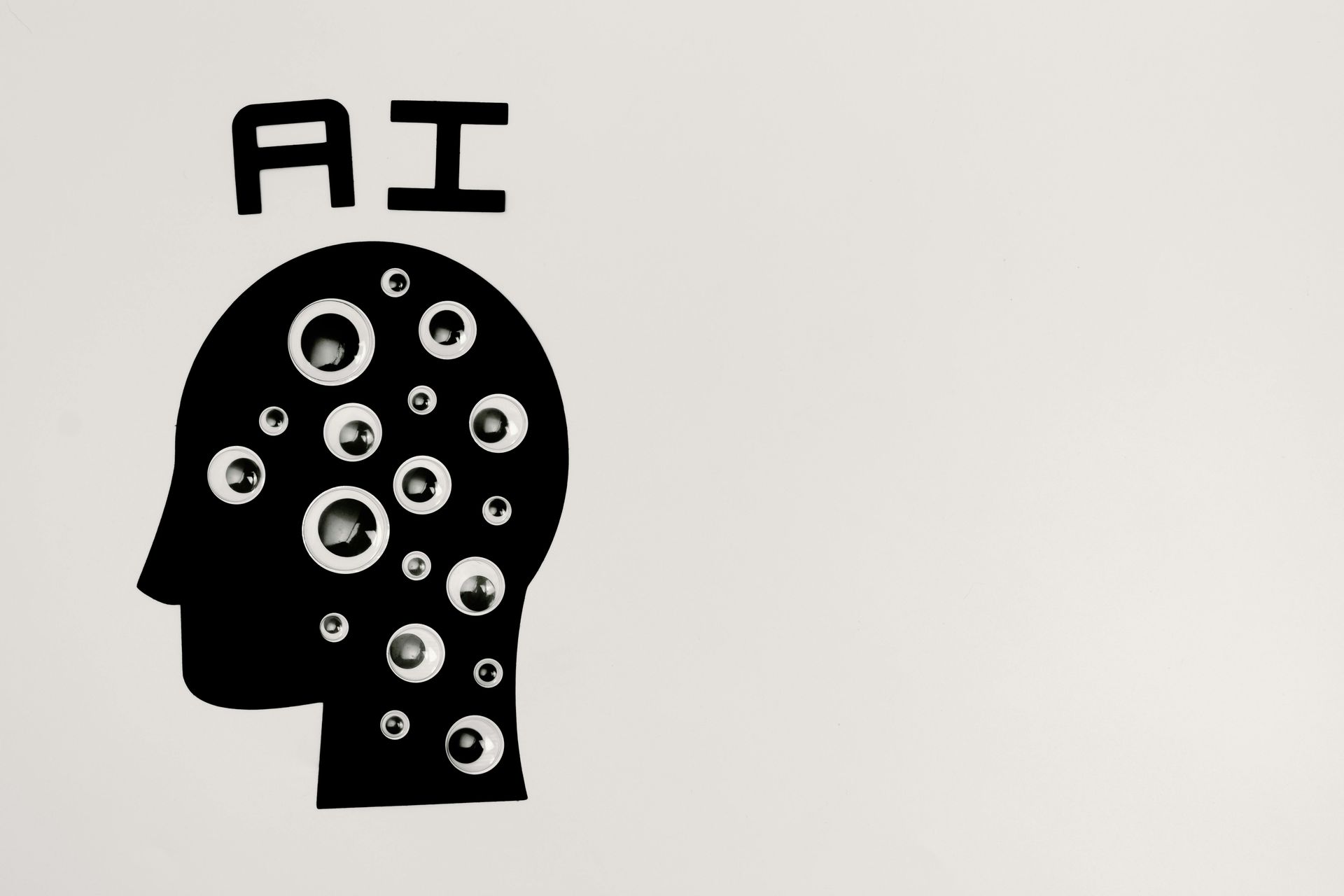
AI for thinking on your feet | Michael Melling

Verbal communication needs to be a priority in the age of AI | Michael Melling

Thinking out loud without rambling requires frameworks, judgement and control

Leaders and spokespeople are often given the advice to be “authentic”, but what does that actually mean?